If your energy bills seem to climb every month, your HVAC system may be using more power than it should. Many homeowners assume higher utility costs are simply the result of changing seasons or rising energy prices. While those factors certainly play a role, small HVAC issues often go unnoticed until they begin affecting both comfort and efficiency.
Keeping your heating and cooling system in good condition is one of the easiest ways to control monthly expenses. Scheduling professional HVAC service in Grand Rapids, MI can help identify hidden problems before they turn into costly repairs or significantly increase your energy consumption.
Here are eight commonly overlooked HVAC problems that could be quietly driving up your utility bills.
1. Dirty Air Filters
A clogged air filter is one of the most common causes of poor HVAC efficiency. As dust, pet hair, and other debris build up, airflow becomes restricted. Your system must work harder to move air throughout your home, using more electricity or fuel in the process.
A dirty filter can also reduce indoor comfort by creating uneven temperatures and allowing more dust to circulate. Most standard filters should be checked monthly and replaced every one to three months, depending on household conditions.
2. Leaky Air Ducts
Your ductwork carries heated or cooled air from the HVAC unit to every room in your home. If there are leaks, cracks, or loose connections, a significant amount of conditioned air can escape before reaching its destination.
Even small duct leaks can reduce efficiency and force your system to run longer than necessary. This not only increases energy bills but also makes it more difficult to maintain consistent indoor temperatures.
Having ductwork inspected and sealed can improve airflow while reducing wasted energy.
3. Incorrect Thermostat Settings
Sometimes the HVAC system itself isn’t the problem. An outdated or poorly programmed thermostat can cause unnecessary heating or cooling throughout the day.
For example, keeping the same temperature while everyone is away wastes energy without providing any benefit. A programmable or smart thermostat automatically adjusts temperatures based on your schedule, helping reduce energy use without sacrificing comfort.
Even lowering or raising the thermostat by a few degrees during unoccupied hours can produce noticeable savings over time.
4. Dirty Evaporator and Condenser Coils
Your HVAC system relies on clean coils to transfer heat efficiently. Over time, dirt and debris accumulate on both indoor evaporator coils and outdoor condenser coils.
When coils become dirty, heat transfer becomes less effective. The system has to run longer to reach the desired temperature, increasing wear and energy consumption.
Routine maintenance includes cleaning these components, allowing the system to operate more efficiently throughout the year.
5. Low Refrigerant Levels
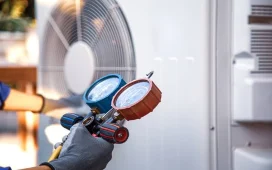
Air conditioners require the correct amount of refrigerant to cool your home efficiently. If refrigerant levels drop because of a leak, the system struggles to remove heat from indoor air.
Common signs of low refrigerant include:
- Longer cooling cycles
- Warm air coming from vents
- Ice buildup on refrigerant lines
- Higher-than-normal utility bills
Simply adding refrigerant isn’t enough if a leak exists. A qualified technician should locate and repair the source of the problem before recharging the system.
6. Blocked Outdoor Unit
Many homeowners forget about the outdoor condenser unit after installation. However, leaves, weeds, dirt, grass clippings, and nearby shrubs can block airflow around the equipment.
Restricted airflow forces the condenser to work harder, reducing efficiency and increasing operating costs.
The area around the outdoor unit should remain clear with at least two feet of open space on all sides. Regularly removing debris helps maintain proper airflow and supports efficient performance.
7. Worn or Loose Mechanical Components
HVAC systems contain numerous moving parts, including belts, motors, bearings, and electrical connections. As equipment ages, these components naturally experience wear.
Loose belts, failing motors, or worn bearings create additional resistance, forcing the system to consume more energy while producing less effective heating or cooling.
Many of these issues develop gradually, making them difficult for homeowners to notice. Preventive maintenance allows technicians to identify worn parts before they lead to larger mechanical failures.
8. Skipping Preventive Maintenance
Perhaps the biggest overlooked problem is simply neglecting regular maintenance.
Many HVAC issues begin as small concerns that are inexpensive to correct. Without annual inspections, those problems continue to worsen, reducing efficiency month after month.
Routine maintenance typically includes:
- Cleaning coils and components
- Checking refrigerant levels
- Inspecting electrical connections
- Testing system performance
- Replacing or inspecting filters
- Lubricating moving parts
- Identifying worn components before failure
Preventive service not only helps lower energy costs but also extends the life of your heating and cooling equipment.
Small Problems Add Up
Each of these issues may seem minor on its own. However, when several occur at the same time, the impact on your monthly utility bill can be significant.
For example, a clogged filter combined with leaking ductwork and dirty coils may force your HVAC system to run far longer than necessary just to maintain a comfortable temperature. The extra runtime increases energy usage while placing unnecessary strain on the equipment.
Addressing small maintenance issues early often costs far less than repairing major system failures later.
How to Keep Energy Costs Under Control
Improving HVAC efficiency doesn’t always require replacing your entire system. In many cases, consistent maintenance and timely repairs provide substantial savings.
Homeowners can improve efficiency by:
- Replacing air filters regularly
- Keeping vents unobstructed
- Cleaning around the outdoor unit
- Scheduling annual HVAC inspections
- Using programmable thermostat settings
- Addressing unusual noises or performance changes promptly
These simple habits help your system operate as designed while reducing unnecessary energy waste.
Final Thoughts
Higher utility bills aren’t always caused by extreme weather or rising energy prices. Hidden HVAC problems often develop slowly, making them easy to overlook until they begin affecting both comfort and monthly expenses.
By paying attention to routine maintenance and resolving small issues early, homeowners can improve system efficiency, extend equipment life, and reduce long-term operating costs. A well-maintained HVAC system doesn’t just keep your home comfortable-it also helps ensure you’re not spending more on energy than necessary.