Introduction
Fire protection equipment plays an important role in protecting people, buildings, and property from fire. However, fire alarms, sprinkler systems, fire pumps, and other safety equipment may need to be taken offline during repairs or maintenance. This temporary loss of protection can increase fire risks if proper precautions are not taken. Using suitable temporary fire safety solutions can help reduce these risks while the equipment is being repaired and restored.
To maintain safety standard compliance during these outage periods, property owners often turn to professional services like The Fast Fire Watch Company to fulfill local fire marshal requirements. Hiring dedicated, trained personnel ensures continuous monitoring of high-risk areas until permanent systems are back online. This proactive strategy prevents costly fines, avoids forced building evacuations, and bridges the gap between system shutdown and full restoration.
Identify the Affected Systems
The first step is to determine which fire protection systems are affected by the repair work. Facility managers should understand how long the equipment will be unavailable and which areas may have reduced protection. Identifying the affected areas helps determine what temporary safety measures are needed. The repair work should also be planned carefully to minimise the time that essential fire protection equipment remains offline.
Use Fire Watch Personnel
A trained fire watch can provide additional monitoring when normal fire protection systems are temporarily unavailable. Fire watch personnel should regularly inspect the affected areas for smoke, flames, sparks, unusual heat, or other signs of fire. They should remain focused on their duties and know how to report hazards and respond according to established emergency procedures. Their presence provides an additional layer of protection during the repair period.
Keep Fire Extinguishers Accessible
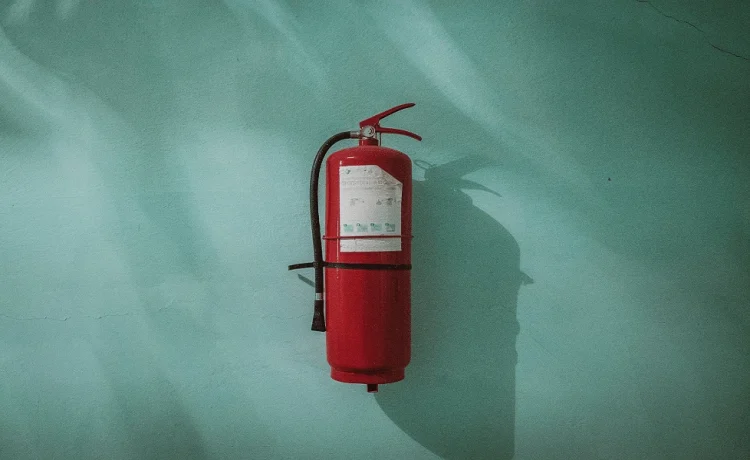
Portable fire extinguishers should remain available in suitable locations throughout the affected area. Employees should know where the extinguishers are located and understand basic emergency procedures. Extinguishers should not be blocked by equipment, boxes, or other materials. Regular checks can also help ensure that they are accessible and ready for use if needed.
Control Potential Fire Hazards
Reducing ignition sources and combustible materials is another useful temporary safety measure. Flammable materials should be stored safely, and unnecessary combustible items should be removed from the affected area. Activities that create heat, flames, or sparks should be limited when possible. If such work is necessary, additional precautions and close monitoring should be provided to reduce the chance of ignition.
Maintain Clear Emergency Routes
Emergency exits, hallways, stairways, and access routes should remain clear throughout the repair process. Workers and visitors need to be able to leave the building quickly if a fire occurs. Safety personnel should regularly check these routes and remove any obstructions. Clear communication about temporary safety arrangements can also help employees understand what to do during an emergency.
Restore Equipment Quickly
Temporary safety measures should not replace permanent fire protection systems. Repairs should be completed as quickly and safely as possible, and the affected equipment should be tested before being returned to normal service. Facility managers should confirm that the system is operating correctly and that any temporary measures can be removed safely.
Conclusion
Temporary fire safety solutions are essential when fire protection equipment is unavailable during repairs. Fire watch personnel, accessible extinguishers, controlled fire hazards, clear emergency routes, and timely equipment restoration can help reduce risks. Careful planning and regular monitoring allow facilities to maintain safer conditions while repairs are underway.