Why Paying Attention Matters
Rain gutters are one of those aspects of a home that quietly works to defend your property until something breaks down. When they do break down, the consequences can be expensive — foundation cracks to destroyed landscaping. If you know what to pay attention to, you can replace them before little issues become big headaches.
1. Sagging or Pulling Away from the Roof
When your rain gutters sag, pull away, or come loose from the fascia board, then it is an obvious indication that they are not performing as they should. This is usually the case when rain gutters get filled with debris, water, or both. With time, the excess weight stretches the fasteners, making them loose.
Why it’s a problem:
Sagging gutters can’t properly channel water to the downspouts, causing overflow and possible erosion of the foundation.
2. Leaks and Drips Ongoing
Though some leaks are repairable from time to time, ongoing dripping from multiple sources usually indicates the material is failing. Seams on older sectional systems can wear and develop holes. Despite patching, these leaks are likely to recur.
Seamless systems minimize this issue, but even they have joints at corners that will eventually fail — particularly if the gutter hasn’t been properly cleaned.
3. Simplified Rust or Corrosion
Steel rain gutters are particularly susceptible to rust over time, but even aluminum systems will pit due to debris accumulation. When rust begins to propagate, it softens the gutter walls, causing leaks and holes.
If you’re considering replacing them, newer options like black rain gutters can be both durable and stylish, often featuring finishes that resist corrosion.
4. Peeling Paint or Stains on Your Home’s Exterior
Water overflowing from clogged gutters may flow down the siding, creating discoloration or peeling paint. This not only appears unsightly but also indicates water is finding its way where it shouldn’t — which can ultimately result in wood rot and mold growth.
5. Pools of Water or Erosion Around the Foundation
One of the most severe warning signs is water pooling around your house’s foundation. If your rain gutters are plugged, crooked, or leaking, they will not send water far enough away. This can lead to cracks, settling, or flooding in the basement over time.
Seasonal Factors to Consider
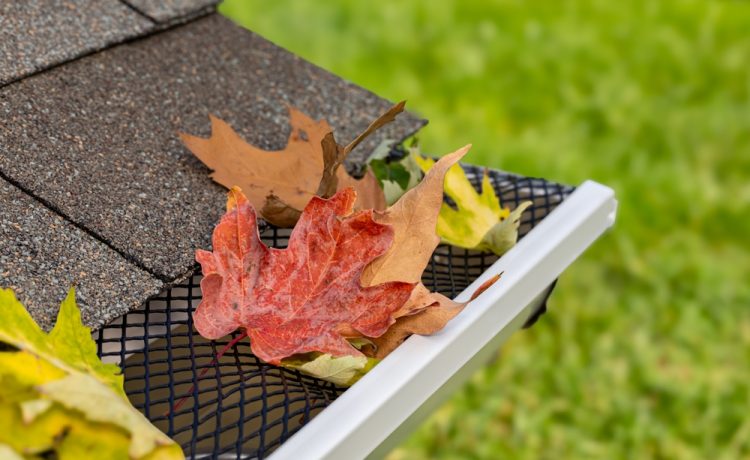
While storms in the winter receive a lot of notice, summer rain gutters maintenance is just as crucial. Dry spells tend to result in leaves, branches, and dirt accumulating in your gutters. When it rains next time, all that material can lead to cloggings, pushing water over the sides.
When Replacement is the Better Option
Minor fixes — such as caulking a small leak or installing one section — can prolong the life of your gutters. But if there are multiple problems, replacement might be the better solution. New rain gutters installation technologies can bring improved materials, enhanced flow of water, and a new appearance to your residence.
Properly Installing Rain Gutters
When replacing gutters, hiring a professional to do the work guarantees the appropriate pitch, secure fastening, and correct downspout location. Doing it yourself or hurrying the job can result in your having the same issues all over again in a few years.
A Final Word
If you notice one or more of these warning signs, don’t dismiss them. Installing new or replacing damaged rain gutters is an investment in the long-term health of your home — and a great time to upgrade to a better-performing and more attractive system.