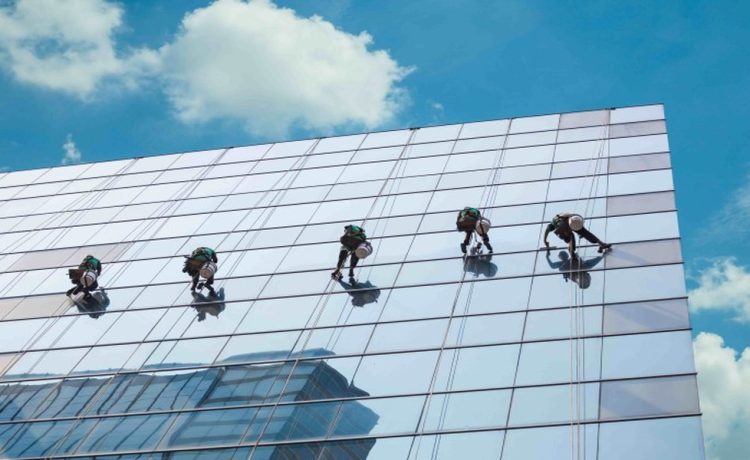
External facade cleaning represents one of the most visually spectacular yet inherently dangerous occupations in Singapore’s urban landscape, where workers suspended hundreds of metres above ground maintain the gleaming towers that define the city’s skyline. The sight of these professionals dangling from ropes or perched on gondolas against a backdrop of glass and steel evokes both admiration and an instinctive sense of vertigo. Yet behind this dramatic tableau lies a meticulously planned operation governed by strict safety protocols, advanced equipment, and highly trained specialists who treat risk management with the seriousness it demands.
The Vertical Challenge of Modern Architecture
Singapore’s architectural ambitions reach skyward with relentless determination. The island nation hosts some of the world’s most impressive high-rise structures, each presenting unique challenges for maintenance crews. Glass curtain walls, reflective panels, granite cladding, and composite materials stretch toward the clouds, accumulating layers of tropical grime, salt spray from the surrounding sea, and atmospheric pollutants that gradually obscure their intended brilliance.
The necessity for facade cleaning services stems from more than aesthetics. Neglected building exteriors deteriorate faster, as acidic deposits etch into surfaces and organic growth penetrates protective coatings. In Singapore’s humid climate, this degradation accelerates. What begins as a cosmetic concern evolves into structural vulnerability, making regular cleaning a form of preventive maintenance that extends building lifespan and preserves property values.
Methods and Equipment: Tools of the Trade
Building facade cleaning in Singapore employs several distinct approaches, each suited to different architectural designs and accessibility challenges:
- Rope access techniques using industrial abseiling equipment
- Gondola systems suspended from building rooftops
- Boom lifts and mobile elevated work platforms for lower structures
- Cradle systems with motorised hoisting mechanisms
- Water-fed pole systems for accessible lower-level facades
The selection of method depends on building height, facade complexity, surrounding obstacles, and specific cleaning requirements. Rope access has gained particular favour for its flexibility and minimal equipment footprint, though it demands exceptional skill and nerve from practitioners. These technicians undergo rigorous training programs, earning certifications that attest to their competence in techniques adapted from rock climbing and industrial rope work.
The Human Element: Training and Psychology
Those who pursue exterior building cleaning as a profession possess particular psychological attributes. The work attracts individuals comfortable with exposure, who can maintain focus whilst suspended in space with only rope and harness between them and catastrophic consequences. During training, instructors assess not merely technical proficiency but mental resilience and decision-making under pressure.
Singapore’s certification requirements for high-rise cleaning personnel reflect the inherent risks. Workers must complete courses covering fall protection, equipment inspection, emergency rescue procedures, and industry-specific safety regulations. The Workplace Safety and Health Act establishes minimum standards, whilst industry associations promote best practices that often exceed regulatory baselines.
Risk Management and Safety Protocols
Every external facade cleaning operation begins long before workers ascend. Site assessments identify hazards ranging from unstable anchor points to weather conditions and electrical hazards. Risk assessment documents detail contingency plans for equipment failure, medical emergencies, and environmental changes. Weather monitoring proves critical in Singapore’s tropical climate, where sudden squalls and electrical storms pose serious threats to elevated workers.
Safety equipment undergoes meticulous inspection protocols. Harnesses, ropes, anchors, and descent devices receive regular examination by qualified inspectors who look for wear patterns invisible to untrained eyes. Redundancy defines the approach: backup systems exist for every critical component, ensuring that single-point failures cannot result in tragedy.
The statistics tell a sobering story. Globally, working at height remains among the most dangerous occupational activities. Singapore’s stringent enforcement has reduced incident rates significantly, though accidents still occur. Each incident prompts investigation and often leads to revised protocols, creating an evolving safety culture that treats near-misses as learning opportunities rather than acceptable outcomes.
Environmental Considerations in Facade Maintenance
Modern high-rise facade cleaning increasingly incorporates environmental sustainability. Traditional cleaning methods consumed vast quantities of water and relied on harsh chemical detergents that introduced pollutants into stormwater systems. Contemporary approaches emphasise:
- Purified water systems that reduce chemical dependency
- Biodegradable cleaning agents with minimal environmental impact
- Water reclamation and recycling technologies
- Efficient techniques that minimise resource consumption
These innovations align with Singapore’s sustainability goals whilst often improving cleaning effectiveness and reducing operational costs.
Technical Challenges of Different Facade Materials
Each facade material presents distinct cleaning challenges. Glass demands streak-free results whilst avoiding scratches from abrasive particles. Stone surfaces require pH-balanced solutions that won’t damage sealants or promote efflorescence. Metal panels need treatments that remove oxidation without compromising protective coatings. Facade maintenance specialists must understand material science and chemistry alongside their mechanical skills.
Singapore’s tropical environment introduces complications absent in temperate climates. Algae and mould colonise damp surfaces rapidly. Salt-laden air corrodes metal components and leaves crystalline deposits on glass. High humidity slows drying times, creating windows of vulnerability during cleaning operations.
Frequency and Planning
Building managers must balance cleaning frequency against costs and disruption. Most commercial high-rises in Singapore undergo external facade cleaning quarterly or bi-annually, though specific schedules depend on location, exposure, and usage. Buildings near construction sites or industrial areas require more frequent attention than those in residential districts.
Coordination proves complex for occupied buildings. Cleaning schedules must accommodate tenants whilst maximising efficiency. Night-time operations suit some buildings, whilst others require weekend work to minimise disruption.
Conclusion
The next time you observe workers suspended against a Singapore tower, consider the intricate planning, rigorous training, and calculated risk-taking their presence represents. External facade cleaning exemplifies how modern cities maintain their architectural achievements through specialised expertise and unwavering attention to safety. These professionals preserve not merely appearances but the structural integrity and economic value of buildings that house the nation’s commerce and ambitions. In Singapore’s relentless pursuit of excellence, comprehensive and properly executed external facade cleaning remains an essential, if often overlooked, component of urban infrastructure maintenance.