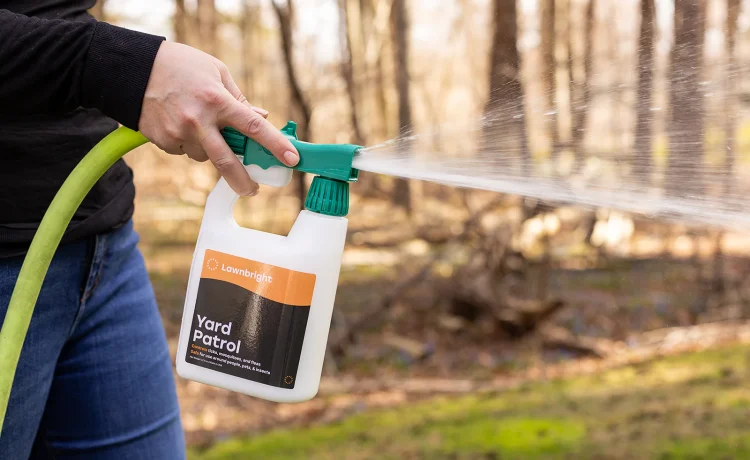
Mosquitoes are more than just a nuisance—they can carry serious diseases such as West Nile virus, Zika virus, and Eastern equine encephalitis. These blood-feeding insects thrive in warm, wet environments and reproduce quickly, making them a persistent problem during spring and summer months. Effective mosquito control requires a combination of preventive measures, environmental management, and sometimes professional intervention to protect both family members and pets.
This guide explores how mosquitoes infest your property, the risks they pose, and practical strategies to reduce their presence.
Why Mosquitoes Are Dangerous
Mosquitoes are vectors of disease, meaning they transmit pathogens from one host to another. Even a single bite can potentially introduce viruses or parasites into humans and animals.
Health Risks to Humans
- West Nile virus
- Zika virus
- Chikungunya
- Dengue fever
- Allergic reactions to bites
Health Risks to Pets
- Heartworm disease in dogs and cats
- Bites causing itching and skin irritation
Understanding the health risks motivates proactive prevention and consistent control strategies.
Mosquito Habits and Lifecycle
Mosquitoes have four stages in their life cycle: egg, larva, pupa, and adult. Understanding their habits helps homeowners target prevention efforts effectively.
1. Egg Stage
- Eggs are laid in or near standing water
- Can survive for several days to weeks depending on conditions
2. Larval Stage
- Larvae live in water, feeding on organic matter
- Rapid growth occurs within 5–14 days
3. Pupal Stage
- Non-feeding stage in water before emerging as adults
- Short duration but essential to interrupt lifecycle
4. Adult Stage
- Female mosquitoes seek blood meals to develop eggs
- Most active during dawn and dusk
- Rest in tall grass, shrubs, or shaded areas
Eliminating water sources interrupts this cycle, preventing reproduction.
Common Mosquito Breeding Grounds
Mosquitoes can thrive even in small amounts of water. Identifying potential breeding sites is critical.
Typical Breeding Areas
- Birdbaths, ponds, and decorative water features
- Gutters and roof drains with standing water
- Plant saucers, buckets, or wheelbarrows left outside
- Clogged or slow-draining yard areas
Routine yard maintenance significantly reduces mosquito populations around the home.
Preventive Measures for Homeowners
Effective mosquito control combines sanitation, structural adjustments, and behavioral changes.
1. Eliminate Standing Water
- Empty and scrub birdbaths weekly
- Clear debris from gutters and drains
- Store containers upside down or indoors
2. Maintain Vegetation
- Trim overgrown shrubs and grass
- Remove leaves or debris that provide resting spots
- Keep outdoor play areas open and sunlit
3. Install Barriers
- Use window and door screens to keep mosquitoes out
- Consider mosquito nets for patios or sleeping areas
- Seal gaps in siding or around doors
4. Use Repellents
- Apply EPA-approved repellents to exposed skin when outdoors
- Use safe sprays on pets to prevent bites
DIY vs. Professional Mosquito Control
Homeowners can reduce mosquito populations with preventive measures, but large infestations or high-risk areas often require professional assistance.
Limitations of DIY Methods
- Yard sprays may not reach hidden resting areas
- Larval treatments require precise application to be effective
- Continuous breeding may overwhelm home efforts
Professional Advantages
- Experts identify breeding zones and high-risk areas
- Safe, targeted treatments reduce adult and larval mosquitoes
- Long-term strategies, including barrier sprays and monitoring, minimize reinfestation
- Professionals can tailor solutions to property size and local mosquito species
When to Call a Professional
Professional mosquito control is advisable if:
- Mosquito populations remain high despite DIY efforts
- Backyard activities are regularly disrupted by bites
- Family members or pets are sensitive or at risk for disease
- Standing water sources are extensive or difficult to manage
Professional intervention ensures a safer, more effective approach that reduces mosquito numbers and health risks.
Additional Tips for Reducing Mosquito Exposure
Even with professional help, homeowners can take everyday precautions to limit mosquito contact:
- Wear long sleeves and pants during peak mosquito activity
- Avoid outdoor activity at dawn and dusk when mosquitoes are most active
- Keep doors and windows closed or screened
- Encourage neighbors to maintain clean yards to reduce local breeding
Community cooperation also plays a significant role in reducing mosquito prevalence.
Conclusion
Mosquitoes are more than a seasonal nuisance—they are a serious health concern for families and pets. Preventing and controlling infestations requires a combination of environmental management, personal precautions, and professional treatment when necessary. Proactive measures can drastically reduce the presence of mosquitoes and the diseases they carry, ensuring safe outdoor spaces for your home.
For expert mosquito control and comprehensive property protection, homeowners rely on Positive Pest Management for effective inspections, treatments, and long-term preventive solutions.