People who run a business in Burke, VA manage a lot of moving parts. These include staff, customers, inventory, facilities, and the daily demands that come with keeping an operation running smoothly. They may not prioritize pest control until something goes wrong. But a pest issue may have been ongoing for weeks or months before a business owner discovers activity.
The stakes for businesses are higher than they are for homeowners. A residential pest problem is stressful and costly. A commercial pest problem can damage your reputation, trigger regulatory action, and result in failed health inspections. It can also drive away the customers and clients your business depends on. This setback can take a long time to recover from in Burke, VA’s competitive business environment.
Thankfully, hidden pest problems may leave evidence before they become visible infestations. Knowing what to look for and where to look gives you the opportunity to intervene early. It lets you hire a trusted exterminator in Burke, VA, such as Green Pest Services, to help you address an active infestation. Here are four signs that your Burke, VA business may have a pest problem operating out of sight.
1. Unexplained Damage to Inventory, Packaging, or Structural Elements
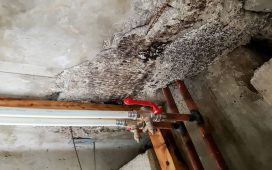
Pest damage in a commercial setting may be attributed to other causes. Look more closely at the nature of the damage before you accept any explanation because pests can leave a distinctive signature that sets their work apart from mechanical wear or handling damage.
Rodents gnaw through packaging, cardboard, and soft materials with a characteristic roughness. Insects like cockroaches and stored product beetles leave damage patterns concentrated in specific areas, particularly near food sources or moisture. Termites and carpenter ants produce damage that is structural in nature, appearing in wood framing, shelving, baseboards, and support elements.
2. Staff Reports of Pest Sightings That Haven’t Been Formally Documented
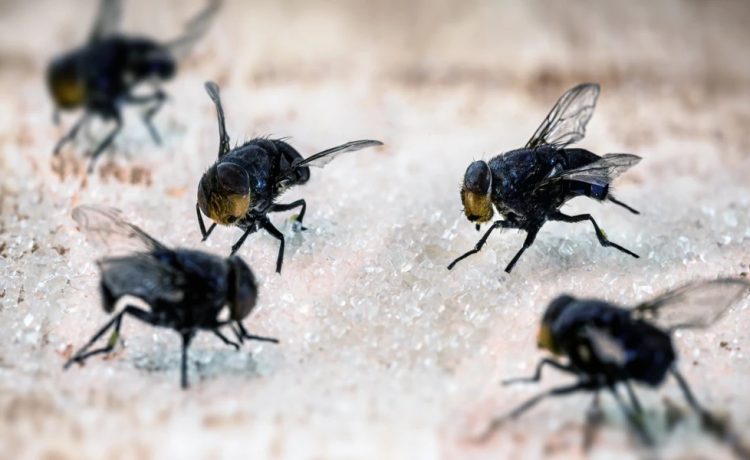
Employees in many businesses see things that never make it to management. A kitchen staff member spots a cockroach near the floor drain at the end of a shift and assumes someone else will report it. This informal, undocumented awareness may indicate that a pest problem exists and has already been noticed by the people closest to the affected areas.
To formalize pest awareness reporting in your Burke, VA business, here are steps to take:
Create a straightforward reporting process. This removes any hesitation employees might feel about flagging pest sightings and makes it clear that reports are welcome.
Ask about areas of the building that staff access regularly but management rarely visits. These can include break rooms, storage closets, loading docks, utility rooms, and restrooms where pest activity concentrates.
Review any informal complaints, maintenance requests, or casual mentions of pest activity over the past several months. Patterns in this kind of information often point toward a specific area of the building or a specific pest species that has been present longer than anyone realized.
Make pest awareness part of your regular staff communication. Ongoing awareness produces earlier detection and faster response across every part of your facility.
3. Unusual Odors in Specific Areas of Your Building
Rodent urine has a sharp, ammonia-rich odor that becomes more pronounced as a population grows. Cockroach infestations produce a distinctive musty, oily odor that is detectable in enclosed spaces.
A persistent odor in your business that is localized to a specific area and does not respond to cleaning or ventilation improvements deserves serious investigation. Trust the observations of staff members who spend time in these areas and notice when something smells different from what it should.
4. Failed or Flagged Health and Safety Inspections
Health inspectors are trained to identify pest evidence that the average business owner would miss. The documentation of discovered evidence becomes part of your business’s public record.
Inspection findings related to pest activity that signal a deeper problem in the facility include evidence of rodent activity, cockroach activity or egg cases, stored product pest activity, and structural conditions flagged as pest-conducive.