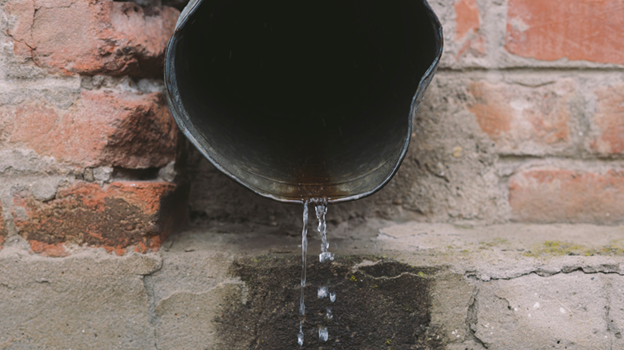
A gutter system is only as effective as its exit point. You can have the most expensive, seamless gutters in the world, but if the downspouts are depositing water in the wrong place, you are simply moving a problem from your roof to your foundation. Proper water management is about controlled redirection. When water is dumped haphazardly, it becomes a destructive force that can undermine your home’s structural integrity and even create safety hazards for your family.
In many cases, homeowners inherit poorly designed drainage systems from previous owners or builders who prioritized speed over long-term logic. If you aren’t sure where your water is going, it is time for a walk-around. Here are seven dangerous places where your downspouts should never discharge.
1. Directly Against the Foundation Wall
This is the most common and most dangerous mistake. A downspout that ends in a simple elbow at the base of the wall is essentially funneling hundreds of gallons of water directly into your home’s “footings.” As the soil becomes saturated, it expands and puts immense pressure on the concrete. This leads to bowed walls, horizontal cracks, and eventual water seepage into the basement or crawlspace. Downspouts should always have extensions that carry water at least five to ten feet away from the foundation.
2. Onto Driveways or Walkways (The Winter Slip Hazard)
Discharging water onto a concrete driveway might seem like a “clean” solution because it avoids muddying the lawn. However, in regions prone to freezing temperatures, this creates a major liability. During a freeze-thaw cycle, the water from the downspout flows across the pavement and freezes into a thin, invisible layer of “black ice.” This creates a significant slip-and-fall risk for residents and guests. Furthermore, constant water flow over concrete can lead to premature scaling and cracking of the driveway surface.
3. Above an Underground Septic Tank or Drain Field
If your home uses a septic system, you must be extremely careful about where your roof water goes. A septic drain field relies on the soil’s ability to absorb and filter wastewater. If your downspouts are discharging into that same area, the soil becomes “oversaturated.” When the ground is waterlogged from rain, it cannot absorb the liquid from the septic tank, which can cause the system to back up into the house or result in a soggy, foul-smelling mess in your yard.
4. Toward a Neighbor’s Property
Water runoff is a frequent source of legal disputes between neighbors. If your downspout is positioned so that it sends a concentrated stream of water directly into a neighbor’s basement window or onto their prized landscaping, you may be liable for the damages. Most local building codes require that you manage your own property’s runoff without negatively impacting adjacent lots. Always aim for a “neutral” drainage area like a swale or a backyard rain garden.
5. Into the Soil Directly Over a Capped Well
For homes with private wells, discharging downspouts near the wellhead is a contamination risk. While the well is capped, a heavy concentration of roof runoff can carry pollutants—such as asphalt shingle granules, bird droppings, and atmospheric chemicals—down into the soil surrounding the well casing. If the casing has any microscopic leaks or if the soil becomes saturated enough to bypass natural filtration, you risk compromising the purity of your drinking water.
6. Beneath a Deck or Porch
It is tempting to tuck a downspout under a deck to hide it from view. However, areas beneath decks are often shaded and have poor airflow. When you dump water into these dark, confined spaces, the ground never truly dries out. This creates a perfect breeding ground for mold, mildew, and wood-destroying insects like termites and carpenter ants. Additionally, the constant moisture will accelerate the rot of the very posts that support your deck’s structure.
7. Into “Dead” Landscape Pockets
Many homeowners discharge their downspouts into beautiful flower beds located right against the house. While the plants might like the water, these “pockets” are often trapped by landscape edging or plastic weed barriers. If the water cannot drain away from the house, it sits in the bed and begins to rot the siding and the sill plate of the home. If you notice that your downspout connections are leaking or the pipes are crushed and depositing water in these sensitive areas, it is time to look for downspout repair near me to extend those lines to a safer, more open drainage point.
The goal of a downspout is simple: transport roof water to a location where it can be absorbed by the earth without causing harm. If your downspouts are currently discharging into any of these seven danger zones, your home is at risk. Correcting these issues—whether through simple extensions, French drains, or professional repositioning—is one of the most important investments you can make in the longevity and safety of your property. Remember, water always wins; the trick is making sure it wins somewhere far away from your front door.