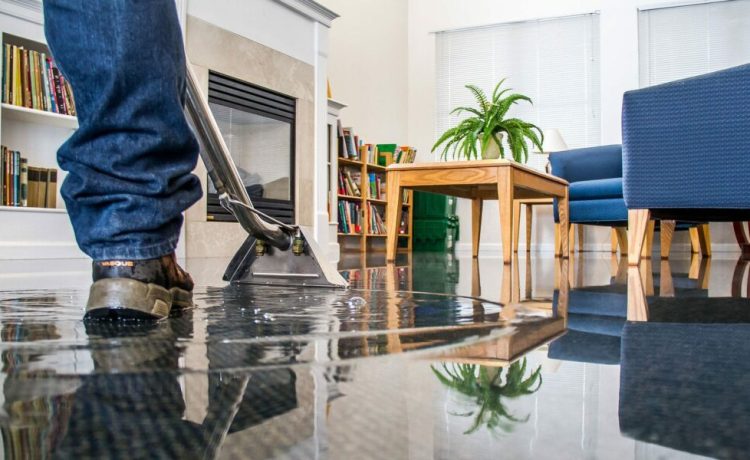
Waterproofing toilet floor installations demands the same precision that surgeons apply when creating barriers against infection. In modern dwellings, water represents both sustainer and destroyer, capable of transforming from essential utility to architectural nemesis within a single compromised seal.
The Molecular Warfare: How Water Infiltrates
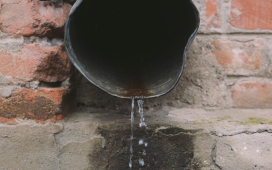
Water operates with viral persistence, seeking microscopic entry points through capillary action and hydrostatic pressure. Once established, water begins systematically dismantling protective barriers. The process unfolds in stages: initial infiltration through hairline cracks, gradual expansion under environmental stress, and transformation into visible damage requiring extensive remediation.
Singapore’s Scientific Approach to Prevention
Singapore’s building authorities have developed waterproofing protocols with the rigour of clinical trial methodology. Their research into failure patterns has yielded regulatory frameworks that function like public health guidelines, protecting individual properties whilst safeguarding community infrastructure.
The Housing & Development Board’s mandate reflects this scientific understanding: “If you hack or remove existing toilet floor tiles during renovation, you must replace the waterproofing membrane.” This requirement acknowledges that waterproofing systems function as integrated networks where partial removal compromises entire protective schemes.
Furthermore, Singapore’s regulations specify that “pre-packed waterproofing screed and waterproofing membrane must be used in bathrooms/toilets before laying new floor finishes.” This standardisation ensures consistent quality control, much like pharmaceutical regulations that guarantee therapeutic efficacy across different manufacturers.
The Pathophysiology of Water Damage
Understanding waterproofing failure requires appreciation for the complex interactions between moisture, substrate materials, and environmental stressors. Water damage manifests through predictable pathological sequences that experienced practitioners can diagnose through systematic observation.
Primary symptoms include:
- Surface discolouration: Chromatic changes indicating subsurface moisture accumulation
- Structural deformation: Tile displacement or grout deterioration suggesting foundation movement
- Microbial colonisation: Mould growth indicating sustained moisture presence above threshold levels
- Thermal anomalies: Temperature variations suggesting compromised insulation integrity
These manifestations represent late-stage symptoms of underlying systemic failure. Like oncological diagnosis, effective intervention depends upon early detection before irreversible damage occurs.
Revolutionary Treatment Modalities
Modern toilet floor waterproofing has evolved beyond crude interventions towards sophisticated therapeutic approaches. Contemporary no-hacking techniques utilise advanced polymer chemistry to create molecular barriers that penetrate existing surfaces without disturbing underlying structures. “The system can be laid over existing floors (i.e., ceramic tiles). It minimises downtime and eliminates the cost needed to hack off the existing floor,” explains technical specifications.
The Chemistry of Protection: Molecular Barriers
Waterproofing materials represent sophisticated chemical engineering achievements comparable to pharmaceutical compounds in their precision and efficacy. Polyurethane membranes function like cellular walls, maintaining flexibility whilst providing impermeable barriers against moisture infiltration.
Epoxy systems create rigid protective matrices that distribute stress across entire surface areas. These polymer networks cure through controlled chemical reactions, forming molecular bonds stronger than the substrates they protect. The resulting barriers resist not only water penetration but also chemical degradation from cleaning agents and environmental stressors.
Advanced nano-technology solutions operate at scales comparable to biological membranes. These systems penetrate substrate porosity, creating protective networks that function like vascular systems: permeable to beneficial moisture movement whilst blocking harmful infiltration.
Regulatory Intelligence: Singapore’s Preventive Framework
Singapore’s waterproofing requirements demonstrate a remarkable understanding of failure mechanisms and prevention strategies. The regulation mandating that “waterproofing membrane must be provided around the sanitary stacks for an area of a 400mm radius” reflects statistical analysis of high-risk zones where the probability of failure significantly exceeds baseline rates.
The three-year restriction on bathroom renovation in newly constructed flats represents a particularly sophisticated policy. This temporal constraint acknowledges that waterproofing systems, like biological tissues, require maturation periods to achieve optimal function. “Newly built flats have a 3-year restriction period in place for the removal of wall and floor finishes in bathrooms and toilets”, because premature intervention can disrupt critical curing processes.
Diagnostic Precision: Early Detection Protocols
A professional bathroom waterproofing assessment requires diagnostic acuity comparable to a medical examination. Skilled practitioners utilise moisture meters, thermal imaging, and visual inspection techniques to identify vulnerabilities before symptomatic presentation occurs.
Quality assessment protocols include:
- Substrate analysis: Evaluating structural integrity and moisture content
- Membrane inspection: Identifying existing barrier conditions and failure points
- Environmental evaluation: Assessing ventilation patterns and humidity levels
- Stress testing: Applying controlled water exposure to verify system integrity
Maintenance Protocols: Sustained Protection
Like preventive medicine, waterproofing requires ongoing vigilance and systematic maintenance. Regular inspection schedules identify minor issues before they progress to major complications. “You and your renovation contractor must conduct a water test on the bathroom/toilet upon completing the replacement of floor finishes,” mandate Singapore’s guidelines, emphasising verification protocols essential for long-term protection.
Effective maintenance involves sealant monitoring, drainage system clearance, and prompt attention to surface irregularities. These practices function like immune system surveillance, detecting and neutralising threats before they establish pathological footholds.
Economic Considerations: Prevention vs Treatment
Waterproofing economics mirror public health investment strategies. Preventive interventions require modest initial expenditure but deliver exponential returns through avoided catastrophic costs. The financial calculus becomes compelling when considering indirect costs: property devaluation, legal complications, and health expenses from mould exposure.
The Future Landscape: Emerging Technologies
Technological advancement promises waterproofing solutions of unprecedented sophistication. Self-healing materials that automatically seal minor breaches, integrated sensor networks that provide real-time monitoring, and bio-inspired coatings that adapt to environmental conditions represent the next evolutionary phase in moisture control.
These innovations suggest a future where waterproofing systems function more like living organisms: responsive, adaptive, and self-maintaining. Such developments could transform waterproofing from passive protection to active environmental management.
Conclusion: The Imperative of Molecular Defence
Water represents one of nature’s most persistent forces, capable of reshaping continents given sufficient time. In our built environment, this same persistence threatens structural integrity through mechanisms both subtle and devastating. Understanding these processes allows us to deploy scientific defences that protect our most intimate spaces.
Singapore’s regulatory framework demonstrates how systematic understanding of failure mechanisms can inform effective prevention strategies. Their requirements reflect hard-won knowledge about the critical importance of comprehensive bathroom waterproofing.