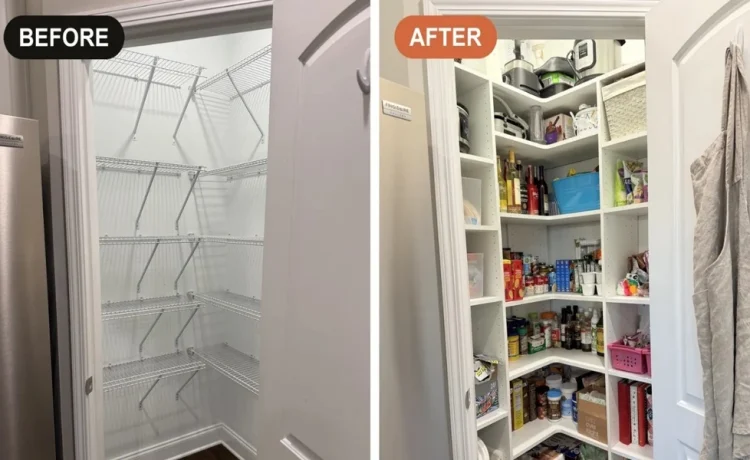
I teach pantry systems that anyone can keep up with during real life. My approach starts with visibility, reach, and routine. Each tip here ties back to those three points. I picked ideas that cut food waste, speed up cooking, and reduce restocking stress.
If you plan a new kitchen pantry, National Closet Company is worth a look. They design custom pantry systems that fit real homes and budgets, which matters if you want layout and features that hold their shape over time.
Why Long-Lasting Organization Matters
A pantry that stays organized saves money and time. You stop buying duplicates, rotate stock before it expires, and spot gaps at a glance. Meal prep gets faster because zones and labels guide every step. A stable system also lowers daily friction for the entire household.
Build the Right Layout First
Great containers cannot fix a poor layout. Start with structure.
- Set clear zones: baking, breakfast, snacks, canned goods, grains and pasta, oils and condiments, beverages, paper goods, and backstock.
- Use consistent shelf depths. Standard 14-inch shelves hold most pantry items without hiding the back row.
- Put heavy and bulky items between knee and shoulder height.
- Place daily items between chest and eye level.
- Keep a landing surface near the entry for unloading groceries.
- Reserve the highest shelf for rarely used gear or sealed backstock.
If you plan a remodel, adjustable shelves and pull-out drawers keep your layout flexible as your needs change.
Make Visibility Non-Negotiable
You will keep order longer if you can see everything fast.
- Tiered can risers create a stadium view.
- Turntables group oils, vinegars, and sauces and keep labels facing out.
- Pull-out baskets in lower cabinets prevent the “mystery back row.”
- Clear bins help you scan volume in seconds. If you prefer opaque bins, label them on two sides.
Choose square or rectangular bins. They pack tight, leave no dead space, and stack in stable columns.
Decant With Intention
Decant only where it pays off. I follow this rule:
- Always decant: flour, sugar, rice, dry beans, oats, pasta shapes you use weekly, snack packs you buy in bulk.
- Never decant: items with complex prep steps or short-term trial foods.
- Sometimes decant: cereal and crackers. If staleness creeps in, switch to smaller containers.
Label with the item name and cook time or ratio. Add the expiration month on the back or base. Simple black-on-white labels read fast and age well.
Set Up a Backstock Buffer
A small buffer keeps the main zones clean.
- Dedicate one upper shelf for unopened extras.
- Face labels forward and group by category.
- Practice first in, first out. Place new items behind older ones.
- Add a basic clipboard or magnetic list near the door. Write down the last item as you open it. This habit builds an auto-reorder list.
Design for the Household You Have
If you live with kids, roommates, or frequent guests, make access clear.
- Create a kid zone at the lowest shelf with snacks you pre-approve.
- Use open bins for grab-and-go items.
- Use picture labels for pre-readers.
- Keep baking staples and sharp tools out of reach in closed drawers or up high.
If you host often, build a party shelf with paper goods, drink mixes, and serving pieces. Group them for fast setup and fast cleanup.
Small Pantry, Big Results
Tight spaces demand precision.
- Choose narrow shelves with shallow bins.
- Use door racks for spices, wraps, and small jars.
- Assign one corner to tall items like oil bottles and vinegar.
- Mount a hook rail for aprons and shopping bags.
- Consider collapsible bulk bins that fold flat after use.
The Five-Minute Daily Reset
A short reset keeps your system intact.
- Return out-of-zone items to their home.
- Wipe crumbs with a handheld brush.
- Face labels out on high-turn items.
- Move near-empty containers to the front.
- Scan dates on dairy backups and condiments in the mini overflow.
Tie this reset to a routine you already do, like loading the dishwasher at night.
The Weekly Intake Routine
Groceries create clutter if you skip this step.
1. Empty shopping bags onto a clear counter.
2. Toss expired items.
3. Wipe shelf fronts.
4. Decant staples and update labels.
5. Restock zones first, then backstock.
6. Record items that hit their last unit.
This turns shopping into a clean handoff, not a scramble.
Maintenance That Takes Hold
Every quarter, run a 30-minute audit.
- Pull one zone at a time.
- Combine duplicates.
- Revisit bin sizes based on how fast you use items.
- Shift overflow to backstock.
- Tighten or move adjustable shelves if gaps appear.
If you cook seasonally, rotate grilling rubs, holiday baking, and canning supplies to an upper shelf during the off months.
Where Custom Systems Pay Off
If you fight deep shelves, dead corners, or overloaded wire racks, a custom design can fix the root problem. National Closet Company builds pantry systems to exact sizes rather than generic kits. They incorporate pull-out trays, deep drawers, and adjustable shelving that match your inventory and habits. Their shelves use a 14-inch depth that fits most packaging while keeping items in clear view.
They stand out on three points. First, they focus on Nashville and Middle Tennessee, which means a design team that knows local homes. Second, they provide photorealistic renderings and upfront pricing before work begins. Third, as a family-owned company without franchise fees, they direct budget toward materials and craft. The result is a clean fit, sturdy hardware, and a layout that does not drift out of order.
If you want a hands-off project, they also offer a turnkey path that covers removal, wall repair, paint, and installation. That option keeps the timeline tight and the finish consistent.
A Simple Action Plan You Can Start Today
- Sketch your pantry and mark zones.
- Remove anything expired or unloved.
- Measure shelves and choose square bins that match depth.
- Add risers, turntables, and two pull-out baskets for low zones.
- Set a backstock shelf and a running list near the door.
- Create a five-minute nightly reset.
- If layout fights you, schedule a design consult with a custom pro.
Final Thought
Strong pantry systems do not rely on perfect habits. They guide you with clear zones, smart access, and labels that speak at a glance. Use these steps to build a structure that holds through busy weeks, guests, and grocery changes. If you want a fitted solution that bakes these choices into the space, National Closet Company designs pantry systems that make everyday order feel natural.