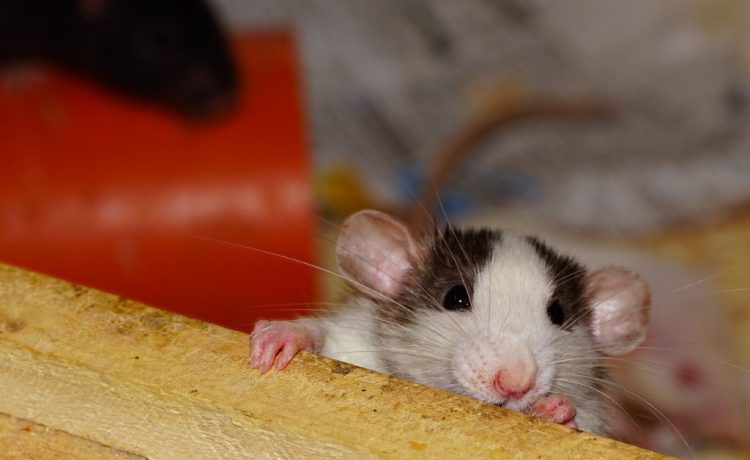
The infamous Pacific Northwest rainy weather brings more than just puddling water and muddy shoes to homes in Tumwater. Then, after the rain settles in for months, local homeowners are faced with an unwelcome intruder; just as it rains outside, rats come in looking for dry shelter, often in crawlspaces below their homes. Not only do these persistent rodents inflict property damage, but they also come with health risks, taint insulation, and lead to expensive repair bills in the thousands.
With the Deschutes River to the east and Capitol Lake to the west, waves of wetness provide prime rodent-breeding conditions in Tumwater. Rats have everything they need to survive and thrive (water and residential areas) at home here. If their yards turn soggy, your crawlspace becomes prime real estate. That is when you need to bring in Expert pest removal for homes in Tumwater.
Why Wet Weather Sends Rats Indoors
- Flooded Burrows Force Relocation
The 50 inches of average annual rainfall in Tumwater means that when the ground is wetter, a rat burrow becomes a water trap and is uninhabitable. These subterranean waterways, about 18 inches down, flood and drive rats up to higher, drier ground directly beneath your house.
- Food Sources Become Scarce
Heavy rains wash away seeds, nuts, and other natural food sources that rats rely on outside. Due to this shortage, rats are forced to seek other food sources, which leads them to human settlements, where crumbs and pet food pose as steady supplies.
- Temperature Regulation Needs
The rats die from being wet and cold, the ideal combination. These furry creatures require warm places to retain their body heat and stay alive throughout the cold, damp winters in Tumwater.
- Breeding Season Protection
Though breeding peaks are synchronized with wet weather, female rats need safe, warm locations for nesting. They go to crawlspaces to feel secure and have their young.
- Predator Avoidance
While rain drives most of rats’ natural predators to safer places like inside, sheltering from the storm, it also impairs rats’ ability to hear and smell to detect that danger is coming. Crawlspaces keep them safe from owls, hawks, and other predators.
Crawlspaces: The Ideal Shelter for Rats
Rats get everything they need for a comfortable life in a Tumwater crawlspace. The space underneath your home has a reasonably stable temperature throughout the year, so during the winter months, it sits around 10-15 degrees warmer than the ambient air outside.
Pipe insulation is mental. Void spaces in the wall are perfect nesting prime real estate, and exposed pipes and ductwork are like interstate highways for rats to roam about. Gaps around utility lines that penetrate your home can allow rats access to food sources, or they can chew through subflooring to get to kitchens and pantries above.
Because of their enclosed nature, crawlspaces keep out some natural predators, such as cats and birds of prey. Moreover, these areas are often filled with stored goods, cardboard boxes, and organic waste, which rats use as a food source and nesting material, perpetuating the cycle.
Professional Help for Hidden Infestations
Only professionals have this specialized knowledge to detect rat infestations in crawlspaces, where they often flourish. Pointe Pest Control knows that the wet climate in Tumwater can be a serious issue for local properties. Utilizing high-tech inspection methods, they locate entry points, evaluate damage, and create calibrated treatment protocols.
Trained pest experts will pass even narrow crawlspaces in protective clothing without risking exposure to health problems from rodent feces and urine. They also have access to commercial-grade exclusion materials, and they know the areas in which rats will most likely be entering due to local building practices and environmental factors.
More importantly, they can treat the root causes rather than just the symptoms of an infestation. We seal off entry points, remove contaminated insulation, and set you up with long-term preventative strategies, all to protect your investment for years to come.