Carpenter ants are damaging pests. These insects tunnel through wood to build their nests. This can weaken structures and lead to expensive repairs over time. Handling a carpenter ant infestation takes more than just spraying the ants you see. To protect your home, you need to find the source of the problem and deal with it thoroughly. Trusted pest control services in Allen should be sought to ensure the complete elimination of the ants. Here is what every homeowner in Allen should know.
How to Identify Carpenter Ants
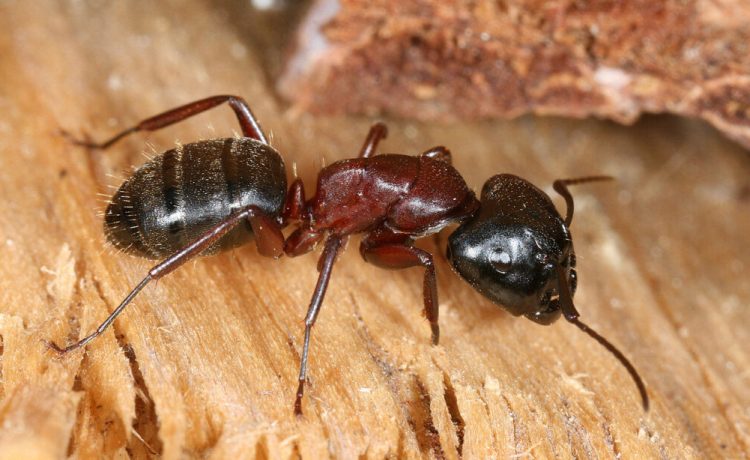
Carpenter ants are larger than most other household ants. They range from ¼ to ½ inch long. They are usually black, although some may have reddish or dark brown coloring. You may also spot winged carpenter ants, which are reproductive members of the colony. These flying ants can be a sign that you are dealing with a well-established and growing colony. Carpenter ants are often found near damp, damaged, or rotting wood. You may see them crawling along baseboards, around windows, or in the kitchen and bathroom.
Signs of an Infestation
Carpenter ants leave behind several clues that they have moved in. You may be dealing with an infestation if you notice any of these signs in your Allen home:
- Sawdust Piles. Carpenter ants push out wood shavings as they tunnel. You may find piles near baseboards, windowsills, or door frames.
- Rustling Sounds. A faint crackling or scratching sound inside walls could be ants moving through wood.
- Hollow-Sounding Wood. Tapping on wood that sounds empty may indicate internal damage.
- Winged Ants Indoors. Seeing flying ants inside usually means there is a nest nearby.
Why They Are Hard to Eliminate
Carpenter ants often build their main nest outdoors and create satellite colonies inside your home. Thus, even if you destroy one nest, others may remain active. Another challenge is that these ants often build nests deep inside walls, attics, or crawlspaces. Store-bought sprays and traps may kill a few ants, but won’t reach the queen or eliminate the entire colony. Without removing the source, the ants will return and keep causing damage.
Handling a Carpenter Ant Infestation
- Locate the nest. Look for areas of moisture damage, especially near sinks, bathtubs, or windows. Check for signs of frass, trails of ants, and soft or warped wood. Sometimes the nest is hidden deep within walls, which may require a pest control professional to detect.
- Remove moisture sources. Carpenter ants prefer damp wood, so fix leaks and improve ventilation. Also, repair leaky pipes and replace water-damaged wood. Consider using fans or dehumidifiers in areas with poor airflow.
- Use targeted baits. Ant baits can be helpful, especially those made for carpenter ants. These baits attract foraging ants, which then carry the poison back to the nest. However, they should be placed in the right locations. Also, they should be given time to work. Avoid using sprays near bait stations, as this can stop ants from reaching them.
- Seal entry points. Once the ants are under control, seal cracks and gaps in and around your home. Also, trim back tree branches that touch the house, as carpenter ants often use these as bridges to reach the roof.
Carpenter ants are persistent and hard to eliminate. You might want to partner with a pest control expert at Romney Pest Control if you notice repeated activity or are not sure of the nest’s location. The company provides pest services for homes in Allen and across North Texas. Their job involves thorough inspections and hidden nest identification. They use targeted treatments to eliminate carpenter ants at the source. They also offer advice on how to prevent future infestations. This helps homeowners protect their property and peace of mind.